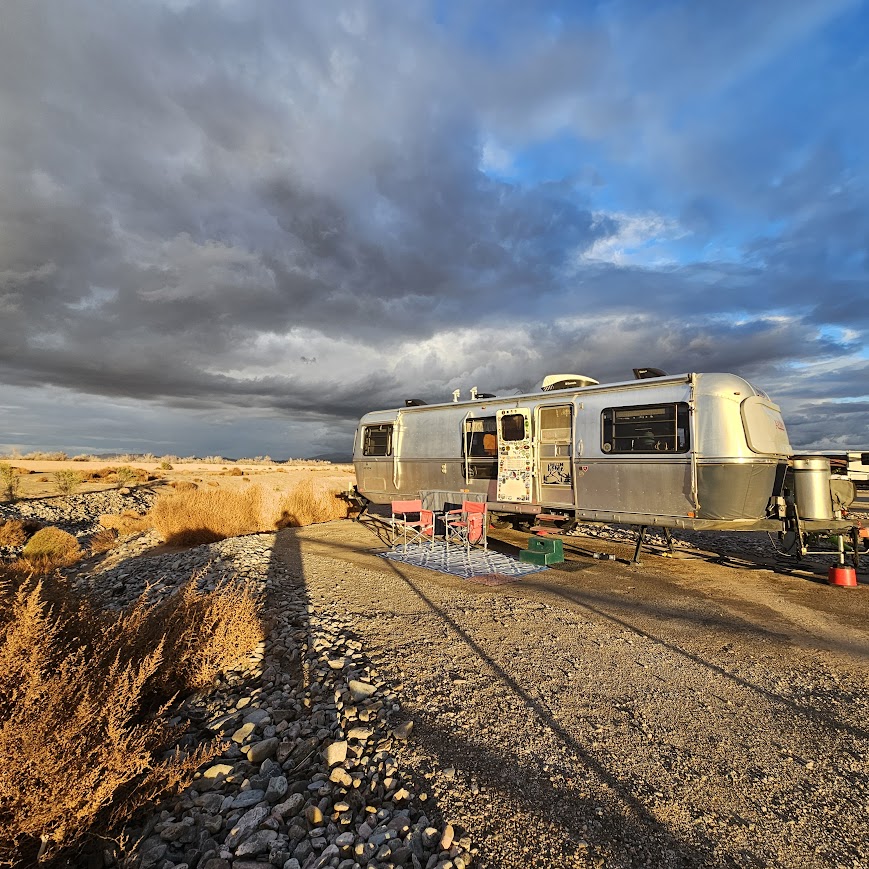
First, a little background on our planning process to go full-time RV traveling once we both retired.
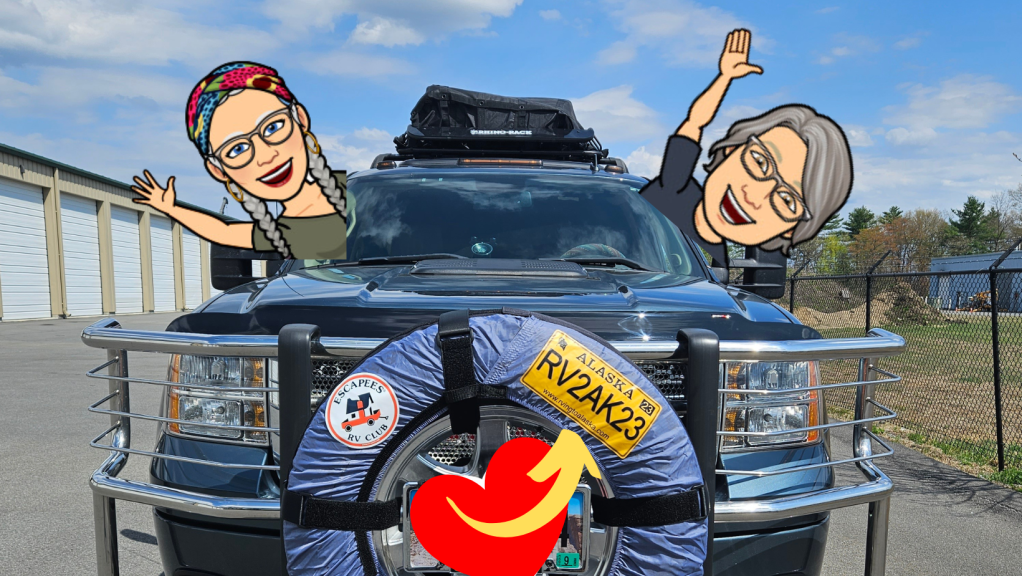
Our planning started in earnest in 2010! A full 10 years before either of us even thought of retiring. Luise ultimately did retire in December 2020 and Kevin in April 2023. So this was not a fly-by-night decision by any means!
We strongly feel having a preparation plan is really important and can save money, time and headaches!
While both of us were still working full time, we sold our big house in upstate NY in 2018 and downsized twice into smaller and smaller rental apartments over 5 years. We got rid of the rest of our “household, garage and barn stuff” and worked on prepping our RV for the future. We did a lot of upgrades and updating to the RV during this time. Our last apartment was only a 720 square foot-a one bedroom, one bath, galley kitchen and living room. We figured if we did not kill each other in the 3.5 years we were there we were good to go!
We have logged thousands of hours of “how to” videos on YouTube by what we consider reputable, non-hype style, RVers. We have read countless articles, books and websites on the topic and spoken to many in person who have made full time RVing (or at least 6 mo annually) about their trip planning, their budgets, their pro’s and con’s, pitfalls and revelations. We visited several major RV shows over the years and spent over 8 years doing part-time vacation RV travel along the eastern seaboard. So, in reality, we went into this phase of our lives on May 1, 2023, with what we felt were our “eyes wide open-but hearts and minds open to get through the unexpected too”.
We were not naïve or newbies to RVing. We realized there would be forces at work that we had little, to no control over (like increased gas, food and camping fee costs) but knew we had many tools to help mitigate those costs. The beauty of full time RV life is that YOU have far more control over your lifestyle and day to day living expenses. We no longer have a fixed rent lease, cable bill, property taxes, school taxes, and electric bills.
Things we CAN CONTROL is probably one of the biggest PRO’s of living the RV life.
In this article we will cover the following:
- How do we control our costs
- What steps we took BEFORE we went full timing
- Choices we have made to save $$$ in the short and long term
- Budgeting basics- what we learned over the years of planning versus reality of today (2025)
- How we trip plan to save $$ and equal out expensive months versus “saver” months
FIRST!!!!
Here are 12 ways to CONTROL COSTS through choices YOU make!
1- Plan your travel strategically in as much of a linear fashion as possible so you save gas and time. Don’t crisscross back and forth across states. In fact- you can even choose states that have cheaper prices to spend more time in. If you have a diesel RV or truck look into the Fuel saver programs offered by leading truck stop companies.
2. Work super hard, penny pinch, and TRY VERY HARD pay off any debt, credit cards, and loans BEFORE you hit the road full time if at all possible. Travel will be far less stressful! Sure, you can remote work from your RV. Many do, or you can work camp as an option, too. However in our opinion, especially if you are old enough to be retiring from working after a long career the itch to travel, see the county and not worry about Zoom meetings, project deadlines, conference calls (that all require great connectivity & space for privacy) really can be stressful and put a crunch in your flexibility and destination bucket lists! That being said we DO plan to Work Camp in the future to keep our skills sharp, boost our long term savings and build lasting relationships while also thoroughly exploring the areas where we are located.
3.Camping in National Park Areas can be VERY EXPENSIVE or Very Affordable-depending on location! Be sure to get a National Park Pass (annual ) OR– if 62 or older the LIFETIME Access Pass to save 50% on NPS (COE, USFS) campgrounds. Many national park or COE campgrounds we stay at we pay under $10 per night-some of these with hookups in amazing places with wildlife and stunning views. However, we also have witnessed the average nightly cost for camping in private campgrounds near OR even in the National Parks of Carlsbad Canyon, Arches, Canyonlands, Grand Tetons, Yellowstone and Glacier National Parks in particular this year (2024) were averaging $55-95++ per night- often with limited hookups or even just for dry camping! ** Since going full time we have even used Luise’s Senior NPS Lifetime pass to get discounts at a few state and county parks! Always ask for discounts!! MORE SPECIFICS ON CAMPING NEAR OR IN NATIONAL PARKS IS COVERED LATER IN THIS POST.
4-Be sure to always ask campgrounds, restaurants, etc. if they have discounts for e.g. Seniors, AAA, AARP, Good Sam, or if applicable, Veteran Discounts. We use them all! Most campgrounds do not publish these discounts so call them personally to ask and book if necessary. Or at minimum send them an email and ask before you book! Carefully review campground websites for discounts, doing a Google search-sometimes I have found their code for Senior or Veteran discounts that way.
5-Check into if camping and RV memberships like Harvest Host, Boondockers Welcome, Passport America, Escapees, and Thousand Trails to see what may be right for you. We have all five but that is also because our travels are all over the USA and we vary from boondocking to full service RV resorts. We bought into Lifetime memberships of Escapees, Passport America and bought a USED Thousand Trails VIP member package (similar to Basic Elite pkg today) while we were still both working so they (were cheaper than today cost and…) have been paid off for many years now. If you are a member of the Elks Club- many of their lodges offer overnight camping nationwide-some even with hookups! Again, a must do is to be sure to buy a National Park Pass for 50% off camping fees, many tours inside NPs and some private and state campgrounds will even give you a small discount off their rack rate!
6- Plan for more expensive months and offset them with “cheaper/saver” travel months either before or after- to equal out expenses overall. I will give examples of this later in the article how we do this. This is a KEY element!
7-Buy a used RV (Class A, B, C, travel trailer, Campervan, or popup**) versus a new one. We truly feel this is super important for people who are not used to camping and especially those who have never owned or driven an RV or towed a trailer before.
We often advise folks who are totally new to camping and RVing to RENT one first-even if only for a week or two so that you can get a feel for RV travel, driving and campgrounds or boondocking. We don’t suggest boondocking until you have at least a few weeks of camping in campgrounds under your belt. Boondocking takes preparation, research and study!
The average new Class A depreciates 36% in five years- 25% of that as soon as you drive off the lot. *NOTE- the average wait time to get repairs, warranty work on new/newer rigs is over 4 months nationwide. Personally we cannot and will not have to rent an apartment or find alternative housing for our RV to be laid up out of commission for 4 months at a dealership! We are totally convinced that buying a used RV will save you money in the long run. Initial bugs have been repaired or replaced by previous owners, rigs built before 2019 were far better built (COVID wreaked havoc on supply chain issues, influx of unskilled and inexperienced labor to meet increase demand, and production timetables were sped up due to demand and greed and quality sank into the toilet). Our 1987 Avion is built like a tank with superior materials and craftsmanship. We have and can fix 90% of everything ourselves. Travel trailers, on average, have less mechanical issues to deal with-so also keep this in mind. Yes, we owned a Class A in the early 2000’s so we know!
** be aware some national and state parks and campgrounds in bear county do not allow any soft sided campers or trailers with soft sided slides!
8-You have a kitchen on wheels-Use it! Unlike having to eat out 90% of your meals when you hotel travel, traveling in an RV allows you to save $$ buy purchasing groceries (you would do that in a sticks n bricks anyway right?) and preparing your meals in your own kitchen. Eating out gets very expensive especially these days! We “treat” ourselves to eating out in a “new to us” destination by going out to lunch at a highly recommended place perhaps 2 or three times a month.
Lunch is our preferred “dine out treat” because we usually will have a take home container that makes for another great meal! Certainly if an area we are staying in has a particularly renowned restaurant, coffee shop, bakery or a regional food “must have” then we certainly do partake and will eat out! TIP-be sure to get signed up on customer reward programs at regionally based supermarkets now too! Each part of the country has its own unique set of chain and private supermarkets.
9-Living in a tiny home means you only have room for so much! We are living in about 200 square feet. Our last (downsized) one bedroom apartment was 720 sq. ft. Our closet space went from each of us having a 6 foot closet to having about 2 feet each of closet and a few overhead cupboards and 2 small drawers. Cupboard and kitchen storage is limited to the basics and necessities. We try to have items, clothing, etc. serve multiple purposes. Weight of cargo is important too. The one in…one out rule definitely applies here! We save lots of $$ now not purchasing things “because they are such a good deal on sale”, or that antique, household or furniture item that I love- because we simply do not have the space anymore! Living simpler is cheaper!
10-Don’t overlook just moving to a new campsite less than an hour away! Sometimes just picking up and moving to a new campsite (campground, boondock, mooch-dock at a friends/relatives) can add a new experience without costing a fortune in gas expenses! On our 2024 trip, we have done just that- sometimes only going a hour down the road but to a new to us place that has new views, perhaps a pool, hot tub or river, or closer to another neat attraction or downtown to explore!
11-Balance paid private campgrounds with amenities to cost-effective camping alternatives like boondocking, a one night Harvest Host stay, Boondockers Welcome stay and of course, take advantage of saving $$ by using National Park Service (NPS), Army Corps of Engineers (ACOE/COE also typically give discount rate using your NPS pass- see below), State, county and local municipal campgrounds. For us, our budget, cost-effective camping is spent at the 64 Thousand Trails campgrounds where we stay for essentially free (ave. cost per night for us at a TT campground was $6.65 for a Full hook up site based on the one time annual membership maintenance fee we now pay in March-we will often stay for 2-3 weeks at the same park)
12- Be sure to purchase that National Park Pass! (You notice we have mentioned this 3 times now!) General Rule of thumb is if you plan to stay at least 7 nights per year in ANY NPS or ACOE/COE campground then an Annual NPS pass is worth your investment to save 50% on overnight camping fees (booking fees and any utility fees like electric fee is not discounted). These passes may also give you discounts for park tours- so check into that before booking! We got 50% off our Mammoth Cave NPS tour using Luise’s Senior NPS Lifetime pass. There is No age restriction for the regular Annual America the Beautiful NPS pass- any adult can purchase. However, at age 62 definitely purchase the Senior Lifetime America the Beautiful Pass through NPS (currently $80) which has saved us hundreds of $$ over the past four years already—and its for your lifetime! Here is the link for information on the available NPS passes and pricing.
CHOICES WE HAVE MADE TO SAVE $$ WITH FULLTIME TRAVEL
As mentioned above we began planning for a full time RV retirement life 10 years before it actually happened. Over those planning years we not only gained knowledge but we also made tangible purchases and decisions that would save us money in the future. We knew we would be on fixed incomes once we retired and wanted to get as much done while still having two decent working incomes.
Did we buy things for full timing that we now regret and have disposed of?? You bet!! (But that’s a story for a future blog post!) 🙂
**********
So here is a punchlist of WHAT WE ACTUALLY DID!
These may not work for everyone but we have no regrets—save one- which you will see in our list below.
>We worked hard, saved and were debt-free before we hit the road fulltime. We do our very best to pay any credit card balances in full each month. Full timing with no debt in our opinion is critical to having enjoyable travels and a pleasant retirement lifestyle. IF we feel we need to bolster up our savings accounts, we know we always have the option of doing some work camping gigs for a few months to a half year- so again, we are in control. We can decide what state(s) we would like to work camp in, what type of job (paid or volunteer) and save $$ during that stationary time.
>We set aside contingency funds for emergency auto, trailer repairs and any emergency medical out of pocket costs. Pick a figure, then add at least another 1/3 to doubling that figure. Believe us! Things come up. We had some very unexpected repairs to our truck in our first two years.
>We purchased several “lifetime” memberships in camping clubs/discount programs so we did not have those recurring (and possible annual increases in dues) costs once we retired. Buying these while we were both working made financial sense.

We purchased a lifetime membership in Escapees (recently brought under the Harvest Host Member Program-July’24) which affords us the ability not only to attend Escapee events/rallies around the USA at a 5% registration fee discount but also gives us a member benefit of 15% off our Auto/RV insurances, and a huge discount on our Michelin tires (we saved over $250 so far) among other RV related supplier discounts. We also can stay at Escapee Co-op campgrounds dotted around the country for a reasonable rate (typically $25-40 with hookups, $10 dry) and many private campgrounds offer Escapee member discounts of 10-20% off rack rate (again—you probably have to ask!) *** sorry to say with the acquisition of Escapees RV Club by Harvest Host the Lifetime Membership option is currently unavailable. HERE IS INFO ON JOINING ESCAPEES.
We purchased a USED VIP Thousand Trails Membership. In 2018 we purchased a used TT membership from the well-respected campground membership broker in Florida. They were excellent to work with and really explained things in a clear, non-pushy way. Here is their link: https://www.campgroundmembershipoutlet.com/
We paid $3k for this used contract, which we can resell or gift to a family member if we no longer are going to use it. The plan we have is equivalent to the current Elite Basic contract (2024). However, our annual maintenance fees are not set at age 62 like new rack rate plans. Our annual fees are just under $665 for 2024. These have gone up about 20% each year. This year, in 2024 we will be using 100 nights- so when we are camping at a TT park, our nightly cost is $6.65 for a full hook up site. There is no limit to # of nights we can use annually, and our booking window is 120 days. We can stay up to 21 nights in one park and go park to park without being out of the TT system. Feel free to ask us more about our TT membership via our contact page. Over the 6 years we have owned the membership, based on an average of $55 per night for FHU sites at most commercial campgrounds- we more than covered our initial $3k investment in our first year of retirement full time RV life.
We also purchased a lifetime membership to Passport America as well. This is one that we are still not sure was worth the investment. It was not a super huge expense at the time, about 6 yrs ago-if I recall it was right around $299. Again, purchasing when we were both working full time barely made a scratch. Sadly, this company has also done away with their lifetime membership programs. However, in all truth we have NOT found this program to be of much use when part time RVing-and we have yet to use it full timing either. There are often many restrictions/black out dates, seasonal exclusions on when private campgrounds will accept this Passport America program and discount your overnight fees. Some campgrounds only allow the discount of 1 night (then you pay rack rate for any other nights) and more times than not, the discount only applies to mid week stays, definitely excludes holiday times, etc. So before jumping on this annual membership, check their website closely to see what discounts campgrounds in your travel area plans may be offering. As an annual fee, you can probably recoup your costs quickly- but do your homework before buying. We will start hopefully using more of their benefits of our lifetime membership in the coming years. It does appear that the company has new energy (and management?) and have been doing a better job of updating their lists and recruiting new campgrounds to offer discounts to members. We will keep you posted as to how we feel about this particular membership program.
>VETERANS TAKE ADVANTAGE OF DISCOUNTS! if you qualify, there are states that offer excellent discounts and programs for Veterans to camp at their state parks. Some do require a service related disability, others will simply want you to verify your US Veteran status. Here is a great link for this type of information.
MOVING ON…..
SPECIFIC EXAMPLES OF HOW WE BALANCE OUT THE “HIGH COST MONTHS” IN HIGH DEMAND PLACES LIKE YELLOWSTONE, GRAND TETONS, GLACIER IN SUMMER
Since setting out on our full time RV adventures we have used a formula of balancing out costs overall for the year. High price months are factored into our overall annual budget so we are not losing out on experiencing those areas to their fullest.
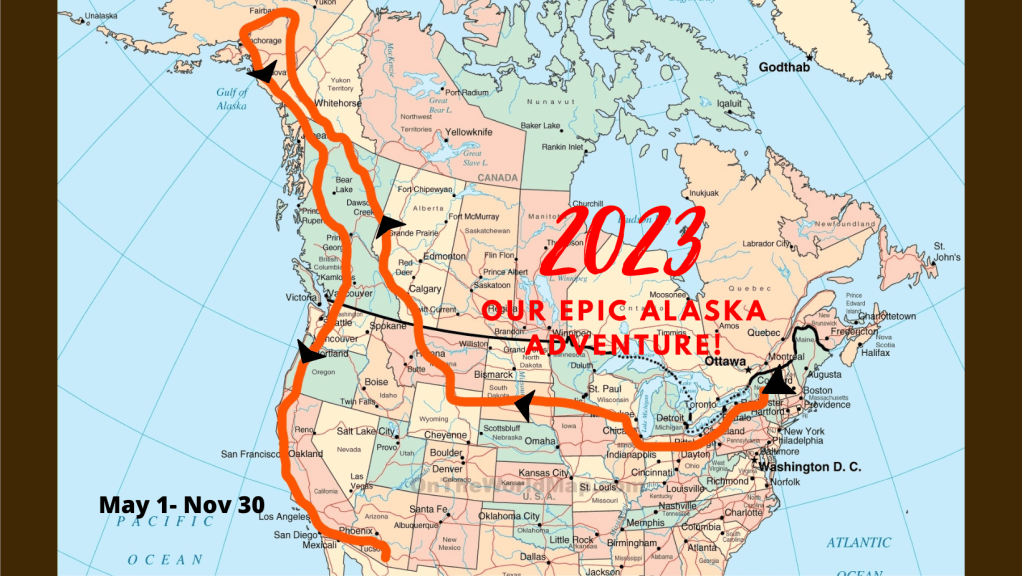
For instance, we knew our first big adventure in 2023 (May 1 to Dec 31) was going to be going to Alaska where camping fees, gas, groceries and dine outs were going to be high. Last year, 2024, we knew that the high demand areas visiting several key National Parks were going to be higher costs too.
2023 DETAILS- Factored into our AK adventure was we knew we would save $$ while in Canada due to the conversion rate being in our USA favor. Secondly what we did was plan our route so that after Alaska and western Canada we came down into the Pacific NW and then into California where we had nearly 3 months of camping essentially for free using our Thousand Trails campground membership at 6 different campgrounds, 1 Escapee Co-op Park and state parks. The west coast is chocked full of TT parks. 95% have full hook ups, pools and some even with hot tubs! This cut our camping fees essentially to nothing (again, about $6 per night) for the months of Sept, Oct and Nov. Over the winter months, we also stayed 4.5 months at an Escapee Co-op Park in Benson, Arizona from mid-Nov to mid-April at a cost (including electric and bulk LP for heat) at less than $20 per day.
2024 DETAILS-This trip route took us from Arizona to NM, CO, UT, WY, ID, MT, WA, OR, NV, UT, and back to Arizona for November and then to 3 different Thousand Trails campgrounds in the Texas Hill Country for December into the new year. Staying in National Park areas was very expensive! Even the campgrounds within the parks are higher priced and typically for dry campsites. Example, in Grand Teton NP we stayed at Gros Ventre Campground, dry site, paved, nice views but it retailed for over $70 per night, so our cost was $35 per night (using our NPS pass)–for a DRY site! Campsites, food, dining out are all expensive when you are in arms length of many national parks- so plan wisely and budget for them! What we have found now after completing this year, that overall, along with every other normal citizen of the USA, our cost of living has skyrocketed!
2025-We will be camping at primarily Thousand Trails (Jan-March) in Texas, then heading north into AR, KY, MO, SD, (using Army Corps of Engineers and National Park campgrounds at half price with our discount card), as we head up to North Dakota we will be staying at only 3 private campgrounds for a night or two- the rest is all boondocking, county or state parks or Harvest Host overnights.
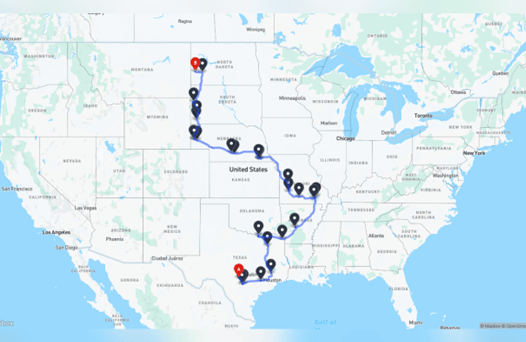
The 2025 summer travel will bring us through the top part of the USA over to Indiana (July) over to Vermont (August) and New England/Mid-Atlantic (Sept/Oct). This will be the most expensive part of the year for camping and other costs. However, then as we head south again for winter, we will plan to use our Thousand Trails parks along the way in NJ, VA, NC, FL – again for 2-3 weeks at a time to save gas and camping fees, with a few state and national park campgrounds sprinkled in. So you can see it is all about balancing out lean months with expensive months.
MORE ABOUT….Camping near or in some National Parks!
EXAMPLE-Our FHU paved site at an Idaho State Park Campground at Henrys Lake, about 18 miles from the West Yellowstone National Park entrance, cost us $86 per night with taxes and all fees. It was a nice paved level campsite, beautiful bath houses but no pool, no hot tub, no lodge or recreational facilities and a 30 minute drive to just get into the National Park. * Beware-Idaho is one of several states now really socking it to out of state campers!
A top shelf RV campground in West Yellowstone can set you back at least $95-145++ per night FHU in summer. We stayed at Baker’s Hole USFS Campground just outside the park and 3 miles north on RT 191 from West Yellowstone for $36.50 per night with electric only–WITH my NPS Senior Lifetime Access Pass discount (reg rate would have been $72+ and that is for an USFS campground!) No other amenities, but a nice dirt site in the woods, and smelly vault toilets. Yes, could we have boondocked on US Forest Service land and BLM for free? We could have, but with temps reaching into the 80s-to mid 90s most days we really needed at least an efficient and dependable way to have electric hookups to run our AC while our dog, Nutmeg stayed home. We do not trust our generator to handle extended run times like what was needed especially with the oppressive heat wave. Many national parks are typically not dog friendly on trails, in buildings or public areas other than parking lots.
Now, as we got into late July-and into the month of August we crested our northern most point at Glacier National Park, as we now began what we call our “southern” route back to Arizona. We filled out 85% of our stays again using our Thousand Trails campgrounds in WA, Arizona and Texas for 100 nights. Our average cost per night was less than $7 for full hook-up sites. Many times, with a pool and hot tub available! We also will fill in with discounted camping we can get using our NPS pass, Kevin’s Veteran Discounts and state campgrounds.
So, we hope you see our trend. We know we will have a few unavoidable expensive weeks (months?) of travel and camping each year. But then we will follow that up with a length of nights and weeks where we are using one of our camping membership programs or other discounts like Good Sam, AARP or Veterans to save $$ or boondocking and using public campgrounds and our NPS pass. This way we are also able to typically camp in overall less expensive areas, just relaxing, enjoying being in nature, experiencing the restfulness of small towns, a little off the beaten path while still having some adventures, the occasional dine out or shopping and doing some “honey do” projects on our lists!
Again, dine out and grocery budgeting helps! Lunch out is cheaper than dinners. A glass of beer or wine at home in the evening is cheaper than a cocktail at a restaurant. We enjoy exploring smaller, local grocery stores but limit our bigger grocery buys to chain stores as we find them. We only have a 6 cubic foot refrigerator, so we did invest in a Dometic chest cooler which is a combo refrigerator/freezer too. This gives us extra storage especially for frozen items, milk, eggs when we can purchase at cheaper chain stores. Grocery costs have probably been the biggest surprise for us budget wise. We average $700-1K per month due to the hike in US grocery costs EVERYONE is feeling! In comparison when still living in our apartment in upstate NY our grocery bill per month in 2017 & 2018 was $400-500 consistently.
TRY Selecting a dry site or a water/electric only site at a campground. Then using their dump station when you leave can save you $10 to 30 per night! After all, you don’t dump your tanks every day anyway!
Leverage a variety of camping alternatives from boondocking at BLM lands or Harvest Hosts for a night and rest areas to then a few day splurge at an RV Resort can spread camping fee dollars.
Filling up with non-ethanol, high-quality gas where available has improved our gas mileage and given us better tow performance. Yes, it’s pricier, but our truck Merlin is worth it!
BUT WHAT ABOUT INSURANCE? MEDICAL, LIFE, AUTO, AND FULLTIME RV?
All super legitimate questions AND expenses that need to be factored in!
MEDICAL : We are very fortunate that Kevin continues to be covered under his Blue Shield Medical Insurance from his retirement from the NY State Dept of Transportation. It is a Cadillac of plans. We do pay premiums but at far less $$ with excellent coverage than off the rack private plans. Once Luise qualified for Medicare that became her primary and the NYS plan is secondary. Kevin will follow suit on this as well once he turns 65. We have great coverage for Rx with that plan as well. We did opt to buy into the NYS retired employee plan for eye exams and glasses bc that one we can use nationwide companies like Visionworks that are all over the USA- making it worthwhile. We already used Visionworks when living in NY. That is the kind of PRE PLANNING FOR FULL TIME RV LIFE to think about. Are your service providers (pharmacy, eye glasses, dental, vet for pets nation wide? If not, consider switching a few years before full timing! We did NOT pick up the optional Dental bc the covered providers were only limited to NYS and the monthly cost of dental insurance was more than an annual routine exam. All things to consider. The Affordable Care Act has made getting medical insurance more available, affordable and even for those with pre-existing conditions. We know many RVers are using this option but it does have it’s limits for where care can be received so check it all out carefully!
LIFE INSURANCE: yes, we have it and have for years. It is on auto deduct so we don’t have to worry about paper bills or missing payment when out of cell coverage areas. Life insurance is important. We no longer have the benefit of a house that can be sold and profits used to support a remaining spouse/partner. The remaining person must be able to have sufficient funds to continue RVing, move into sticks n bricks again or even perhaps purchase an RV lot and establish a more permanent lifestyle.
AUTO AND RV FULL TIMER INSURANCE: What we are going to say here is do your research. Go with what meets your specific needs. Go with a company that truly understands and better yet focuses on RV insurance. Full timer insurance is more expensive but you get more too. We use FCIS insurance out of Idaho. We also get a discount with them for being Escapee members. They specialize in RV and RV full timer insurance. We have an Appraised value guarantee policy so we would recoup the amount written on the professional certified appraisal we had done and on file with FCIS. Especially with older RVs this can be critical. “Agreed value” is NOT the same and is paid out on a depreciation value similar to blue book. Our Avion is worth way more than it’s 37 yr age! Here is a great article on RV insurance from Tim Heintz, RV restorer and appraiser. He did 2 of our appraisals and is excellent! Tim is based in FL but does the appraisals remotely.
LAST BUT NOT LEAST….DECIDING ON YOUR DOMICILE STATE MATTERS!
Federal law requires you have a domicile state in the USA. This is for paying federal income taxes, being able to vote, and for banking and credit card purposes. Deciding on what state to establish (or keep) your domicile in is a personal choice. As of this posting, the three most popular states are Texas, Florida and South Dakota. We chose SD after much research and also bc we knew MOST of our preferred travel areas were going to be in the midwest to southwest and pacific northwest. Good places to do this research begins with articles on the websites of Escapees (Texas based) and America’s Mailbox (SD). We use the latter and have had a very good experience with them. They even assisted us with our vehicle registrations and plates before we even left NY for good! We use America’s Mailbox for our mail forwarding company as well.
CONCLUSION….
Don’t let us scare you, our goal is to just be sure we help you to go in with your eyes open!
OH YES!!! ALMOST FORGOT!! What is the ONE thing, in hindsight, we would have done differently now that we know?? We wish now, we would have purchased a newer truck while we were still both working and worked hard to get it paid off or nearly paid off before set out full timing. At the time however (2018-2020), diesel truck engines were having a lot of problems and diesel fuel had skyrocketed and during COVID the cost of them went berserk and good used ones so difficult to find because of production cutbacks. So we opted to keep our low mileage, gas truck that we had already done major upgrades to like an HD Alternator, front brush guard, sumo springs, roof rack, etc.. Sadly, our 2011 truck has had to have some major repairs in 2024 and early 2025. Since we had tricked “Merlin” out for our needs, we love the truck and the body and interior is in such good shape it still made sense to do the repairs. but ouch…that hurts the budget!
BUDGET REALITY HITS AND HURTS! The budgets we planned for on paper while dreaming of full timing were based on hard numbers that fellow RVers were tracking in 2018-2021. Well, we can tell you that the comfortable $4k per month back then (that was more than sufficient) is about half of reality for 2024-2025.
We are averaging between $5-7K monthly including ALL our expenses–and that is WITH our year end average nightly camping site fee at only $21.00). Sorry to burst a bubble – …but RV life is NOT cheaper, unless you spend 70% of your time boondocking, eating Ramen noodles, not site seeing, not experiencing local foods and towns, not traveling on scenic bi-ways and don’t have a pet.
We wish you well in your journey be it RVing on weekends, for vacation weeks, extended periods of time or even full time. We are always welcome to folks reaching out to us with their questions, contacting us via email or direct message from our Facebook page.
Safe travels!
Kevin, Luise and Nutmeg!

 ThePewterPalace Our Love Affair with Avions
Leave a comment